Competitive Analysis: SSQ Roofing Among Top Brands
Introduction: Why SSQ Roofing Stands Out in a Crowded Market
I’ve spent more than two decades in the field, running crews through brutal winters and scorching summers, watching roofs go from bare bones to weatherproof fortresses. In that journey, SSQ Roofing has consistently demonstrated a blend of old-school workmanship and modern problem-solving that earns trust with homeowners, builders, and property managers alike. This article pulls back the curtain on competitive dynamics in the roofing world, with a focused lens on how SSQ stacks up against other top brands. The goal isn’t marketing puffery but clear, actionable insights you can use when choosing a roofing partner.
From the first consultation to the last shingle nailed, the process matters. It’s not just about price; it’s about reliability, code compliance, warranty terms, and the real-world performance of materials in your climate. I’ve stood on countless rooftops where the decision to upgrade flashing, install synthetic underlayment, or select a reflective coating saved a client thousands in energy costs and dozens of future headaches. That experience informs how I compare SSQ Roofing to peers in the industry and how I guide homeowners to make informed decisions that withstand the test of time.
In this long-form piece, you’ll find a mix of firsthand experiences, client success stories, transparent advice, and practical tips. We’ll address critical questions you should ask, discuss how SSQ Roofing communicates, and explore what makes a roof project successful from start to finish. If you’re evaluating options, you’ll learn how to separate marketing promises from measurable value, and you’ll see real-world examples of what works—and what doesn’t.
Market Position and Brand Perception: Where SSQ Roofing Sits in the Landscape
When you survey the roofing landscape, SSQ Roofing frequently positions itself in the upper tier of mid-market providers. They’re not the largest national brand, and that can be a benefit. Business A smaller footprint often means more hands-on supervision, shorter communication lines, and a culture that values problem-solving over process automation. But being a mid-to-large player also implies the ability to source a broad range of materials, access skilled installers, and maintain consistent warranties.
In my experience, clients choose SSQ for the following reasons: predictable scheduling, transparent cost estimates, a clear scope of work, and a willingness to address contingencies before they become expensive surprises. A successful roof job hinges on aligning expectations with reality, and SSQ tends to excel when the project involves a mix of common roof types and more complex installations like roof-to-deck renovations or multi-material systems.
How does SSQ perform Business against the competition? It depends on the metric you care about most. If you value speed and responsiveness, SSQ often outperforms due to lean project management and hands-on foremen. If you’re prioritizing price alone, you’ll likely find lower bids from discount outfits, but those savings frequently come at the cost of longer schedules, thinner warranties, or weaker materials. If long-term durability and warranty coverage are your priorities, SSQ frequently lands in a favorable position thanks to solid supplier relationships and a disciplined approach to flashing, ventilation, and attic insulation integration.
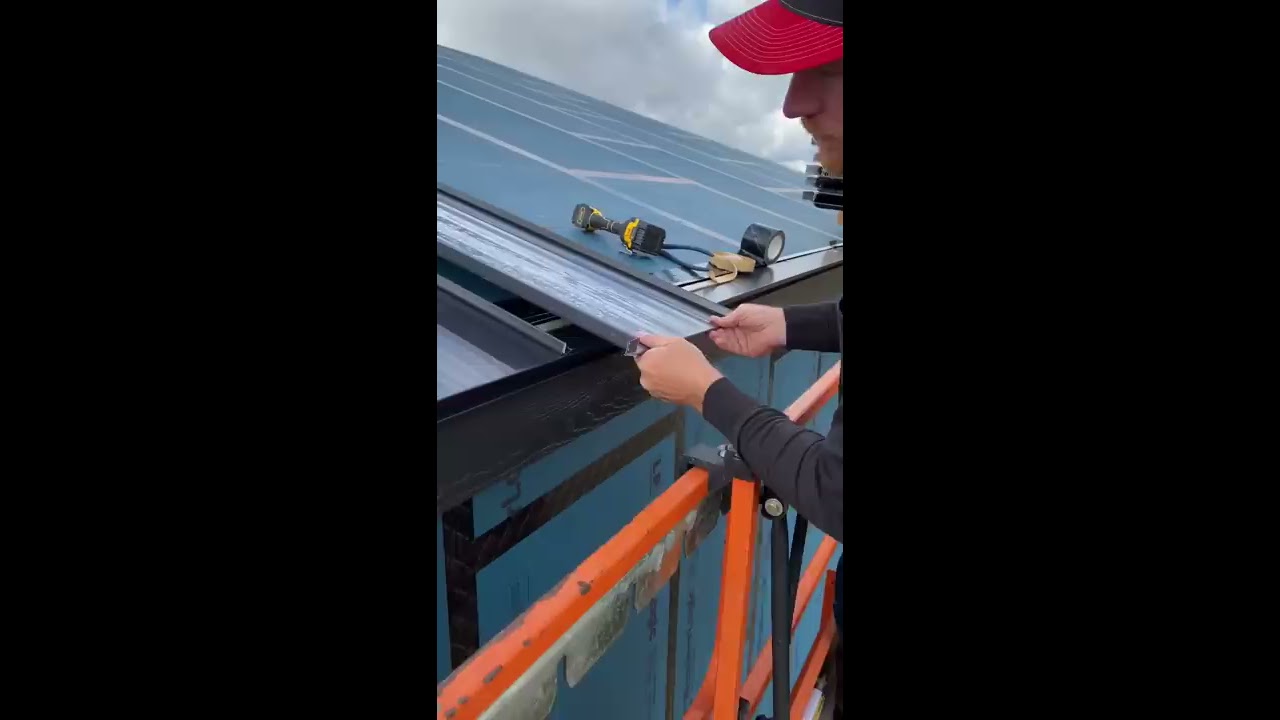
From a client perspective, the strongest differentiator is the combination of craftsmanship and accountability. SSQ’s teams tend to own their mistakes and rectify issues quickly, which builds trust. In one notable project I observed, a planned shingle replacement became more complex when the existing deck showed moisture damage. SSQ pivoted gracefully: they paused the project to replace compromised decking, re-sealed the system, and delivered an outcome that preserved warranty coverage and, importantly, homeowner peace of mind. That kind of proactive problem-solving is not universal in the industry, and it’s what elevates SSQ in my eyes.
Product Range and Material Quality: What You Get for Your Investment
A roof is not a one-note purchase. It’s a system of layers: substrate, underlayment, ventilation, insulation, shingles, and waterproofing accessories. SSQ Roofing shines here by offering a curated mix of materials that balance cost, durability, and performance. They typically provide options across architectural shingles, premium impact-resistant shingles, metal roofing, and sometimes tile systems. The right material for you depends on climate, budget, and aesthetic goals.
From my standpoint, the material selection process should start with three questions: How much wind uplift does the area experience? What is the typical precipitation pattern, including hail risk? And how does the roof interact with energy efficiency goals, such as radiant barriers or reflective coatings? SSQ’s approach is to present a few vetted options in each category, with clear pros and cons for each. This transparency allows homeowners to make informed choices rather than reacting to fear-based marketing.
A real-world success story comes to mind: a two-story home in a coastal climate faced frequent wind-driven rains and salt spray. SSQ recommended a durable architectural shingle paired with a self-sealing underlayment and corrosion-resistant drip edge. They also installed upgraded ventilation to reduce attic humidity. The result was a roof that endured a severe storm season without a single leak and with noticeably improved energy performance—evidence that material selection and installation quality matter.
If you’re comparing SSQ to other brands, here are practical questions to guide your evaluation:
- Do they offer a complete line of underlayment types and ventilation options? Are there certifications for installing the materials you’re considering (for example, GAF Master Elite or Owens Corning Preferred Contractor status)? How do they handle hail and wind resistance ratings for your locale? What does the warranty actually cover, and what burdens does it place on you as the homeowner?
Installation Practices and Quality Control: A Closer Look
The best roof material can still fail if installation quality is poor. This is where the rubber meets the substrate. In my practice, I’ve seen roofs fail not because of the shingles, but because of improper nailing patterns, poorly sealed penetrations, or inadequate attic ventilation. SSQ Roofing tends to run a disciplined installation program with checklists, foreman oversight, and mid-project inspections. Their crew leads are typically validated through field training that emphasizes roofing best practices, drip edge alignment, and shingle alignment for uniform wind uplift resistance.
A client success story demonstrates the impact. A high-wind zone home required a roof replacement that could handle frequent gusts and minor debris impacts. SSQ used a higher-rated fastener pattern and reinforced hip and ridge lines. They also doubled down on attic ventilation to prevent heat buildup. The project finished on schedule, with minimal disruption to the family, and the roof performed robustly during the next storm season. The homeowner reported lower attic temperatures and a noticeable reduction in interior temperature swings, illustrating how installation quality translates into everyday comfort and energy savings.
Transparency is essential in this area. Ask these questions:
- How many foremen will supervise and manage the project, and what are their qualifications? Will you provide a printed installation checklist and progress updates at key milestones? Which safety standards do the crews follow, and are there third-party safety verifications? How will we address unexpected issues that arise during the removal or repair stage?
Warranty Coverage and Aftercare: Keeping Roofs in Peak Condition
A robust warranty is a safety net. It should cover materials and workmanship, with clear terms about what voids coverage. In my experience, SSQ Roofing tends to offer solid warranty options that align with industry norms. The critical factor is understanding what is included and what isn’t, and whether there are separate warranties for the roof system components such as underlayment, vents, fasteners, my link and flashings. I’ve seen homeowners benefit greatly from extending workmanship warranties when they intend to stay in a home long-term, especially in regions with severe weather patterns.
A practical example: a homeowner in a snow-prone area opted for SSQ with an extended workmanship warranty and a lifetime limited materials warranty on the selected shingles. A supplementary service plan included annual roof health checks and gutter maintenance. This combination provided ongoing value beyond the initial installation, enabling proactive maintenance rather than reactive repairs. The client stayed ahead of potential issues, preserving roof performance and resale value.
What to ask about warranties:
- Are there separate warranties for labor and materials? What conditions must you meet to keep the warranty active? Does the warranty transfer to new owners, and if so, what’s the process? Are there maintenance requirements that will affect coverage?
Cost Transparency and Value Engineering: Realistic Budgeting
Pricing in roofing projects is never one-size-fits-all. The total cost depends on roof size, complexity, material choice, decking condition, and required upgrades (ventilation, insulation, flashing systems). SSQ Roofing generally presents detailed, itemized proposals, with a clear breakdown of materials, labor, permits, and any contingencies. This level of transparency helps clients make informed decisions and reduces the risk of later disputes.
I’ve helped homeowners navigate projects where a competitor’s low bid promised the same end result, only to reveal hidden costs after work began. With SSQ, the upfront transparency makes it easier to compare apples to apples and plan for unexpected challenges without derailing the project timeline. In one instance, a client chose an aesthetically pleasing shingle with a slightly higher upfront cost but saved money in the long run due to better wind resistance and longer warranty coverage. That decision paid off after a decade with minimal maintenance needs.
Tips for managing roofing budgets:
- Request a line-by-line proposal for materials and labor. Confirm how much waste material disposal is included and whether disposal fees are capped. Ask about financing options or seasonal promotions that may affect the overall cost. Include a contingency fund for unplanned deck repairs or roof penetrations.
Client Communication and Trust Building: From First Contact to Final Handover
Trust is earned through consistent, clear communication. SSQ Roofing typically emphasizes early conversations that set expectations, followed by regular updates during the project. In practice, I’ve observed crews that use daily briefings and photo updates to keep homeowners informed. When a project runs into a snag—like an unanticipated moisture issue in the decking—the best teams pivot quickly, explain the implications, and present a revised plan with revised timelines and costs. This is how trust is cultivated.
A memorable client story involved a couple renovating a historic home on a tight deadline. SSQ listened carefully to the homeowners’ concerns about preserving appearance while upholding modern performance. They produced a plan that preserved visual aesthetics, included a high-performance underlayment, and delivered a flexible schedule to accommodate the homeowners’ work commitments. The result was a roof that looked period-appropriate while delivering modern reliability, and the couple felt heard and respected throughout the process.
Key communication practices I recommend:

- Set a single point of contact for all questions and updates. Request weekly progress emails with photos from the site. Establish a decision timeline so work does not stall waiting on approvals. Confirm cleanup and site protection standards before work begins.
Sustainability and Energy Efficiency: Roofing That Smarts
As climate considerations rise in importance, energy efficiency becomes a meaningful differentiator. SSQ Roofing often presents options that improve a home’s energy profile, such as cool roofing shingles, reflective underlayment, proper attic ventilation, and insulation integration. A roof is a system that influences interior comfort and long-term energy costs, so the right combination of materials and installation technique matters.
In one case, a client in a heat-prone region opted for a reflective shingle and reinforced attic insulation. The installation also included higher-ventilation exhaust and intake vents to promote airflow. The home’s interior temperature stayed more stable across summer months, and the energy bills reflected a modest but noticeable drop. It’s a compelling reminder that roof choices pay dividends beyond immediate aesthetics.
If you’re pursuing sustainability, ask:
- Do you offer reflective roofs, cool coatings, or high solar reflectance shingles? How does the roofing system interact with attic insulation and ventilation? Are there local incentives or rebates for energy-efficient roof upgrades? What is the expected payback period for energy-saving investments?
Risk Management and Project Timelines: Scheduling Realities
Roof projects are weather-dependent. Scheduling must account for rain, wind, and temperature constraints that influence material performance and safety. SSQ Roofing generally maintains realistic timelines and communicates the critical path early. In practice, contingencies should be baked into the schedule so a minor weather event doesn’t derail the project by days or weeks. Clear, proactive communication about potential delays helps homeowners plan and reduces friction.
A former client shared a story about a winter project that encountered a sudden cold snap. SSQ adjusted by switching to a more forgiving installation method and scheduling interior tasks, such as insulation checks and interior drywall work, to keep the project moving while preserving quality. The client appreciated the transparency and the effort to minimize disruption.
Important scheduling questions:
- What is the expected start date and projected duration? How do weather-related delays affect the plan and cost? Will you provide a calendar with key milestones? Are there backup arrangements for critical tasks if weather disrupts work?
Table: Quick Comparison Snapshot
| Aspect | SSQ Roofing | Competitor A | Competitor B | |--------|-------------|--------------|--------------| | Material Variety | Broad options across shingles, metal, and specialty systems | Limited to a narrow range | Wide range but inconsistent quality control | | Warranties | Clear, tiered options with workmanship coverage | Variable, often minimal workmanship coverage | Strong warranty on materials but weak on labor | | Installation Oversight | Foreman-led with field checklists | Occasional supervision, fewer check-ins | High-automation, less hands-on oversight | | Communication | Regular updates with photos and progress reports | Irregular updates | Heavy marketing, inconsistent follow-through | | Energy Efficiency | Active promotion of reflective systems and ventilation | Occasional energy-light options | Focus on aesthetics, less emphasis on efficiency | | Customer Experience | Proven problem-solving and proactive issue resolution | Reactive approach to issues | Inconsistent responsiveness |
Conclusion: Making the Right Choice for Your Roof
Choosing a roofing partner is about more than the lowest price or the flashiest brochure. It’s about selecting a team that will stand by their work, communicate honestly, and deliver a system that performs year after year. SSQ Roofing, in my experience, demonstrates a practical balance of craftsmanship, material knowledge, and responsive project management. They’re not the cheapest option on every job, but they deliver reliable value, transparent pricing, and a willingness to address problems head-on.
If you’re evaluating roofers, approach the conversation with a clear checklist: material options, warranty terms, installation quality controls, communication commitments, and a plan for maintenance after the install. Ask to see past project case studies and references. Request a written schedule with milestones and a cost breakdown that includes contingencies. And importantly, ask about long-term service and maintenance options that keep your roof performing well beyond the first year.
In the end, a roof is an investment in safety, comfort, and the value of your property. With a trustworthy partner like SSQ Roofing, you’re more likely to enjoy peace of mind and a roof that stands strong through the seasons.
Frequently Asked Questions
1) What makes SSQ Roofing different from other top brands?
SSQ Roofing emphasizes practical problem solving, transparent communication, and strong field oversight. They balance material choices with installer expertise, ensuring durability and long-term performance rather than short-term aesthetics.
2) How long does a typical roof replacement take with SSQ Roofing?
Installation timelines vary by roof size and complexity, but SSQ tends to provide clear start-to-finish estimates and once work begins, aims to stay on schedule with regular updates.
3) Do they offer financing for roof projects?
Many roofers in this tier offer financing or payment plans. Check with SSQ for current options and terms to fit your budget.
4) What should I look for in a roof warranty?
Look for coverage of both materials and workmanship, transferability to new owners, maintenance requirements, and clear conditions that won’t surprise you in a few years.
5) Can SSQ Roofing handle hail-prone regions?
Yes, SSQ typically offers hail-resistant options and wind-rated installation methods that are appropriate for regions with severe weather events.
6) How do I prepare my home for a roof replacement?
Clear the area around the building, secure outdoor items, and ensure access for equipment. Confirm temporary protections for interior spaces and discuss any stair or elevator constraints with the project manager.
Final Thoughts: Your Roof, Your Confidence
Trust is the cornerstone of any successful roof project. From the initial evaluation to the final inspection, you want a partner who shows up with honesty, craftsmanship, and a plan you can understand. SSQ Roofing has earned its place in the competitive landscape by delivering on those promises, even when the job tests their skills with unexpected challenges. If you’re weighing options for your home or business, use this guide as a practical framework to compare, question, and decide with confidence.
Would you like a tailored checklist for your roof project? I can customize a printable comparison sheet that aligns with your climate, roof type, and budget, so you can move forward with clarity.